
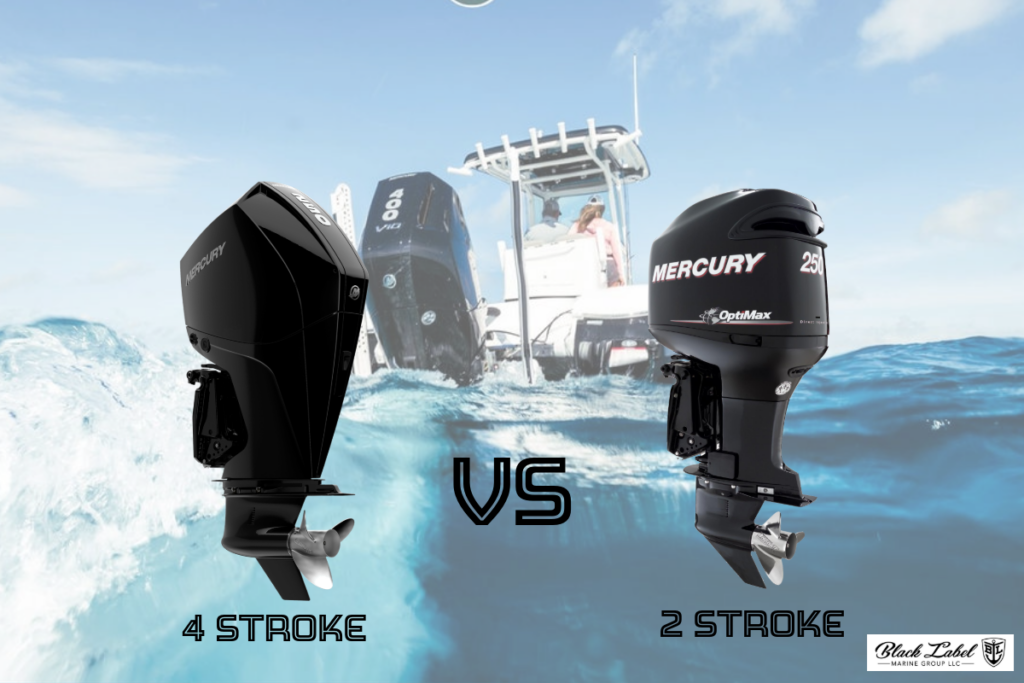
Choosing the right outboard starts with understanding the differences between two stroke vs four stroke marine engines. Each option delivers unique performance, sound, and maintenance characteristics, which is why boaters still compare the two when deciding how to rig or repower. Knowing how each system works will help you choose the engine that best matches your style of boating.
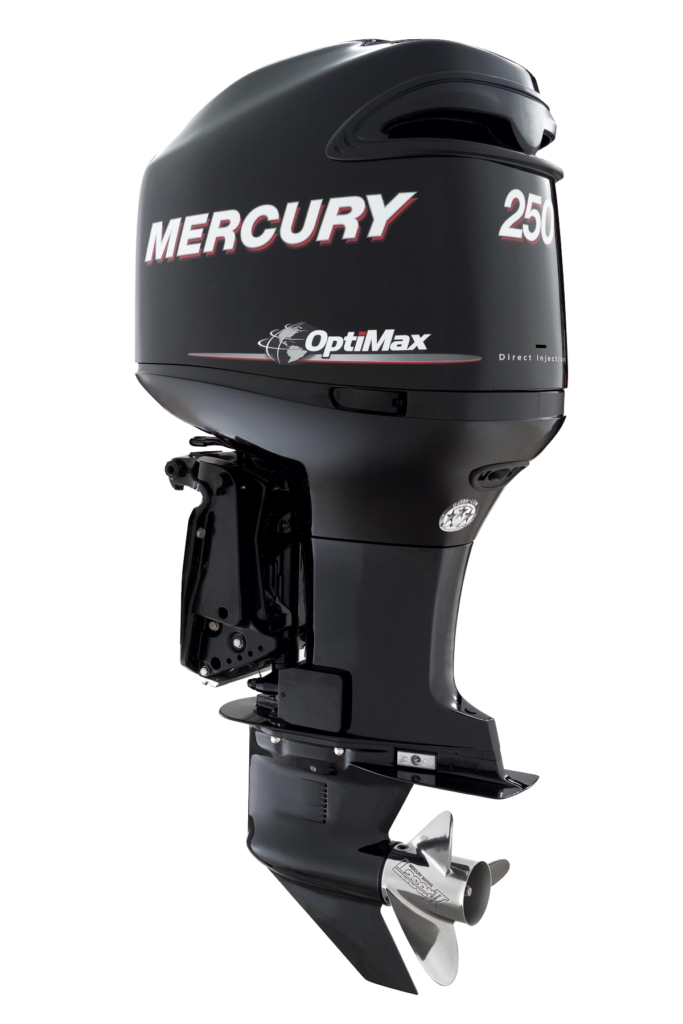
How Two Stroke Engines Work
A two stroke engine completes its power cycle in only two movements of the piston. As a result, it produces power every revolution. This design creates strong acceleration and quick throttle response. It also makes two stroke engines lighter, which is why they dominated the marine world for decades.
Despite their reputation for speed and simplicity, they require oil to be mixed with fuel either manually or through an injection system. Because of this, they produce more emissions than modern four stroke engines.
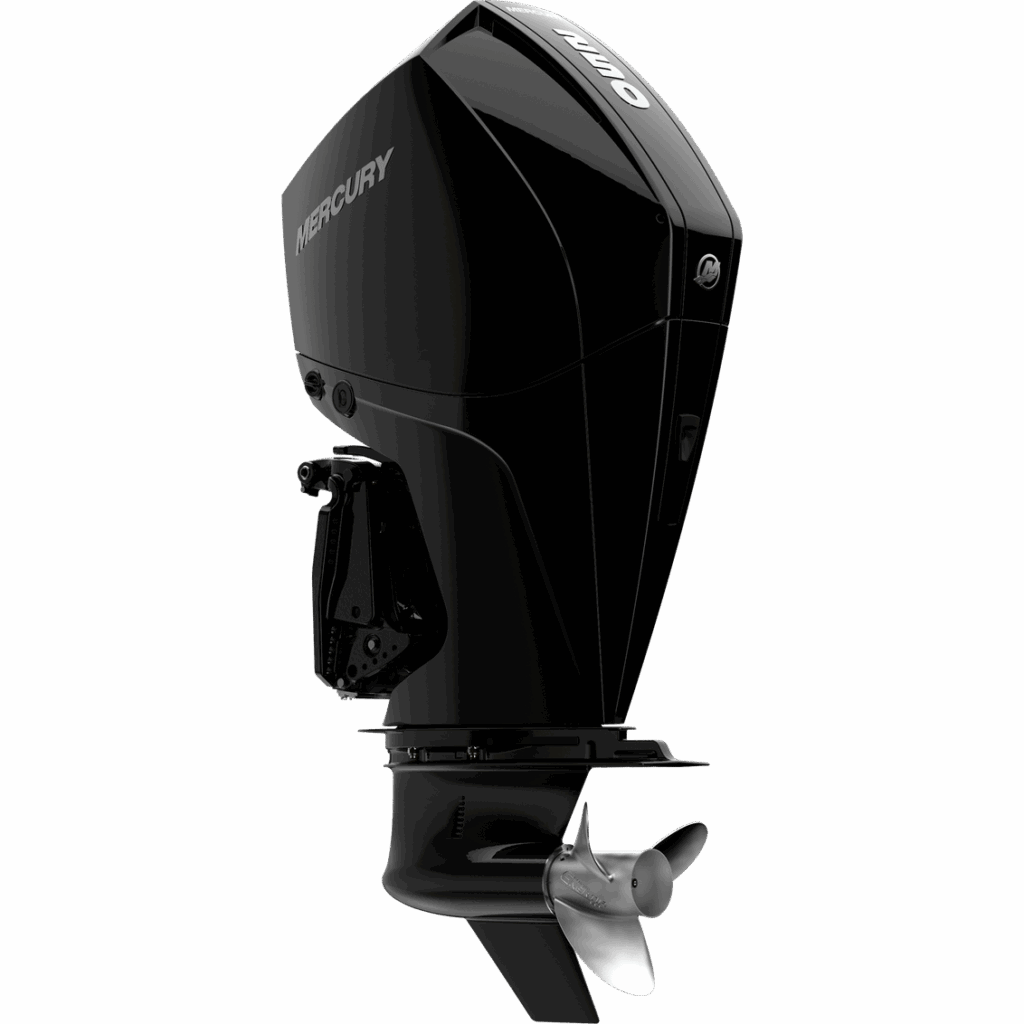
How Four Stroke Engines Work
A four stroke engine uses four distinct movements of the piston. Intake, compression, combustion, and exhaust. This process is more complex, yet it produces cleaner combustion and better efficiency. Four stroke engines burn straight gasoline instead of an oil fuel mix.
This design became the standard for most modern outboards. Manufacturers improved fuel injection, valve timing, and internal cooling. As a result, four stroke engines now offer strong mid range power, smooth sound, and impressive fuel economy.
Performance Differences on the Water
Two stroke engines are known for their punch. They deliver rapid power when you hit the throttle, which is ideal for hole shots, shallow water running, or performance focused boats. They also have fewer moving parts, so they respond quickly and sound more aggressive.
Four stroke engines are smoother. They deliver steady power across the rpm range and produce less noise. You may not get the instant jump of a two stroke, but you gain consistent pull and excellent cruising efficiency.
For many boaters, the real difference shows up during a long day on the water. Four stroke engines use less fuel at most speeds. Consequently, they offer more range and lower cost over time.
Maintenance and Reliability
Two stroke engines are simpler. They have fewer valves, no oil reservoir, and fewer internal components. Because of this, they are easy to work on and often cheap to repair. However, their oil mixing requirement increases carbon buildup and internal wear, especially when running older designs.
Four stroke engines require oil changes, filters, and more detailed service. However, they tend to last longer because they burn cleaner. Their technology also allows for quieter operation, smoother shifting, and more precise fuel delivery.
Routine maintenance on a four stroke is predictable. You follow service intervals, change the oil, and check cooling systems. With a two stroke, internal condition depends heavily on how the engine was operated and maintained.
Fuel Economy and Efficiency
One of the biggest differences is fuel burn. Four stroke engines typically consume far less fuel than two stroke engines at cruising speeds. This advantage grows during long offshore runs or full day outings.
Two stroke engines burn more fuel because of their power cycle. They also burn oil. As a result, operating costs are higher. For some boaters, this is worth the tradeoff for lightweight performance. For others, efficiency matters more.
In today’s market, most anglers, families, and offshore boaters prefer the long term savings and range of a four stroke.
Environmental Considerations
Modern four stroke engines produce fewer emissions and meet strict environmental standards. Consequently, they are the required choice for many manufacturers and marine applications.
Older two stroke engines release more unburned fuel into the water. Some waterways and marinas already discourage or limit the use of older two stroke designs. Newer direct injection two strokes are cleaner, yet they are still less efficient than four strokes.
If you want the most environmentally responsible choice, four stroke engines lead this category.
Weight and Balance
Two stroke engines are lighter. This helps performance boats, shallow draft skiffs, and certain bass boats jump quickly onto plane. Rigging a lighter engine also affects balance, which can improve handling.
Four stroke engines weigh more because of their internal components. However, modern engine designs have reduced this gap significantly. Many four stroke motors now offer strong power to weight ratios without major performance losses.
Which Engine Is Right for You
Choose a two stroke if you want:
• fast acceleration
• a lightweight engine
• simple mechanical design
• aggressive sound and throttle response
Choose a four stroke if you want:
• improved fuel economy
• quieter operation
• long term reliability
• cleaner emissions
• smooth cruising power
Your boating style will guide your choice. Performance skiffs, older hulls, and weight sensitive boats may still benefit from two strokes. Offshore center consoles, pontoons, running boats for long distances, and family cruisers usually prefer four stroke engines.
Final Thoughts
Two stroke and four stroke engines both offer proven performance on the water. The right choice depends on your priorities. If you want lightweight power and instant punch, a two stroke may still fit your needs. If you prefer quiet operation, strong fuel economy, and long term reliability, a four stroke engine is the modern standard.
Service With Black Label Marine Group
When it comes to rigging, servicing, or upgrading your outboard engine, Black Label Marine Group is your trusted partner. Our technicians understand both two stroke and four stroke systems and can help you choose the setup that matches your boating style. We take pride in delivering precise rigging, quality service, and a customer experience built on trust.
Whether you need a repower, routine maintenance, or a full performance upgrade, Black Label Marine Group is here to meet your expectations and support your time on the water.
Two stroke engines offer quicker throttle response and lighter weight, so they often feel faster during acceleration.
Four stroke engines are more fuel efficient because they burn cleaner and use fuel more effectively at cruising speeds.
Yes. Four stroke engines operate with smoother cycles and produce less noise at idle and at cruise.
Four stroke engines are usually better for long distance runs due to improved fuel economy and reliability.